Alzheimer’s Disease (AD) poses significant challenges for affected individuals, their families, and caregivers, with its prevalence leading to substantial mortality rates. Despite advancements in addressing other major diseases, AD remains a top cause of death in the U.S., emphasizing the urgent need for effective prevention, cure, and management strategies. The transition of AD patients to care facilities often occurs when challenging behaviors become unmanageable at home, impacting both safety and well-being. While the positive effects of nature imagery on health outcomes are studied, the underlying neural mechanisms remain elusive.
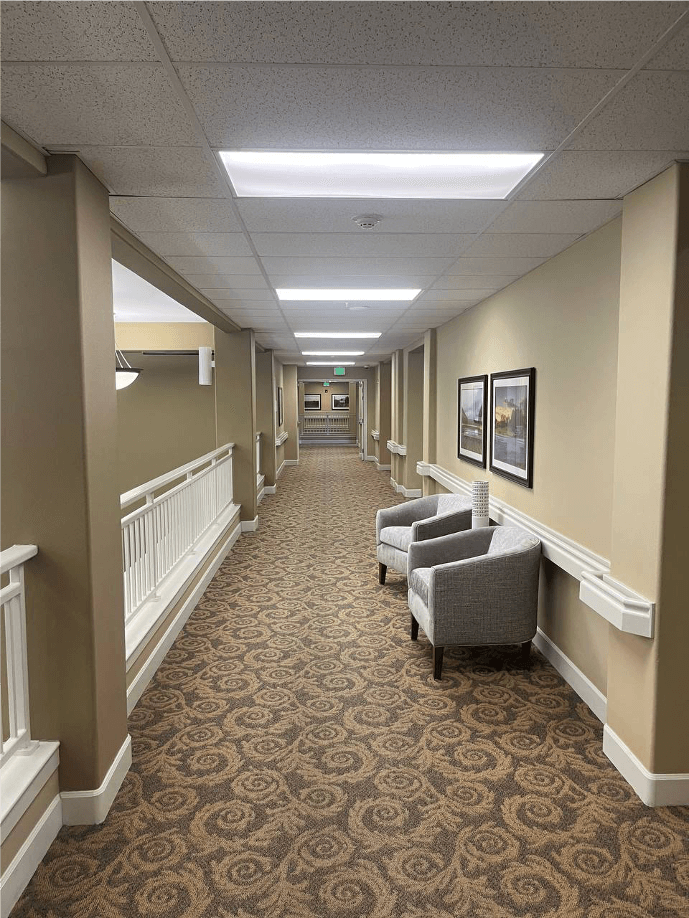
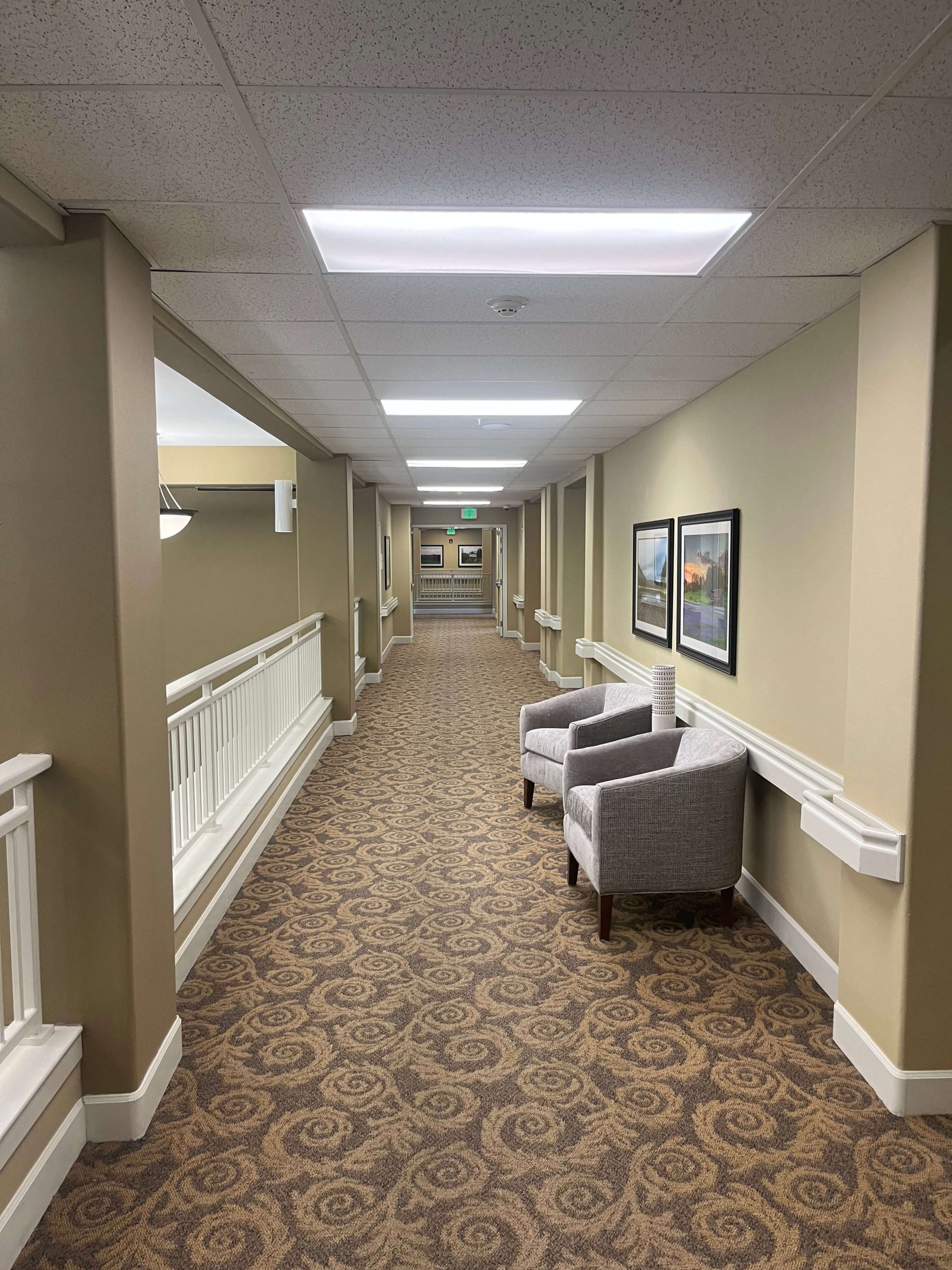
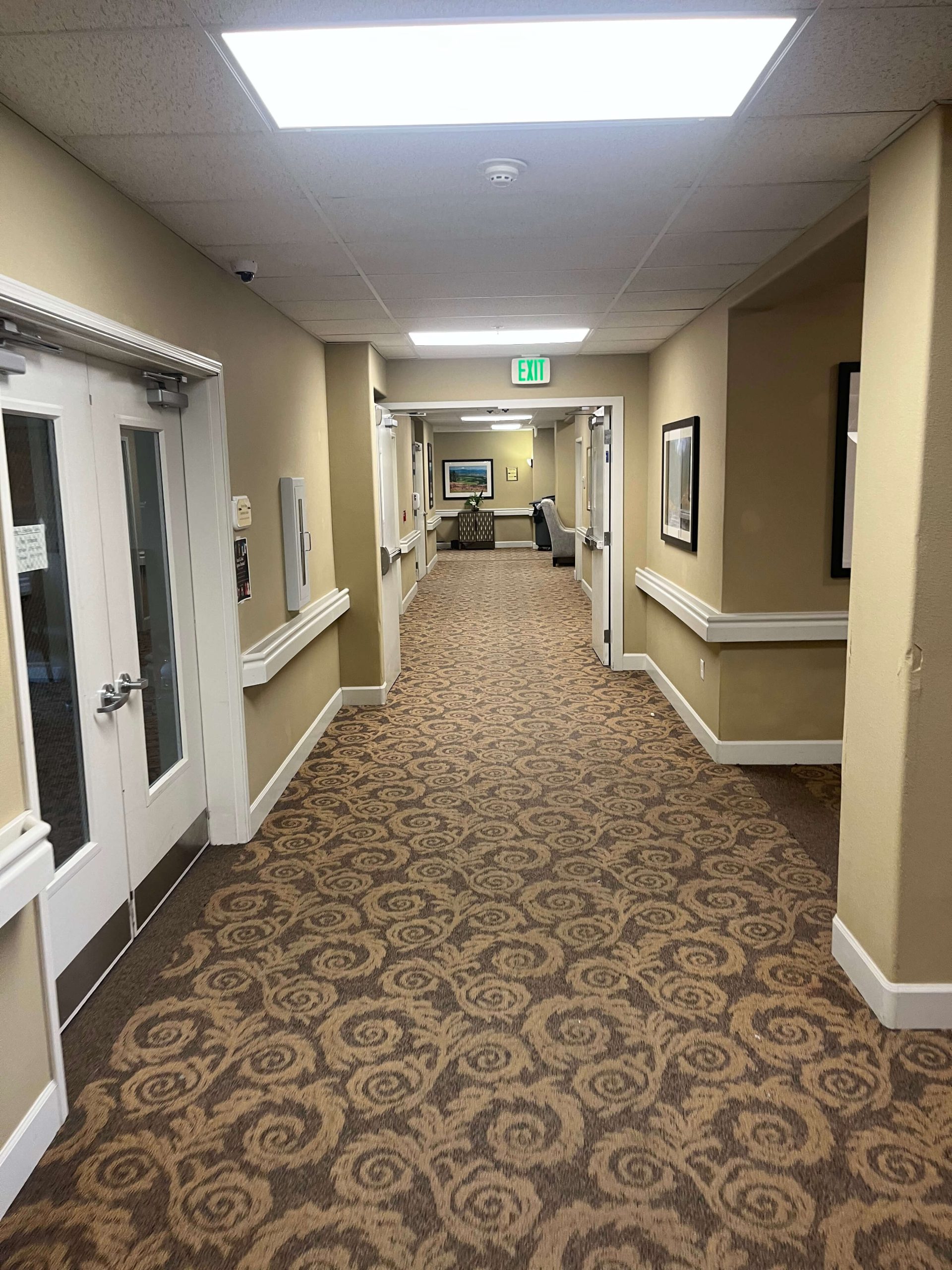
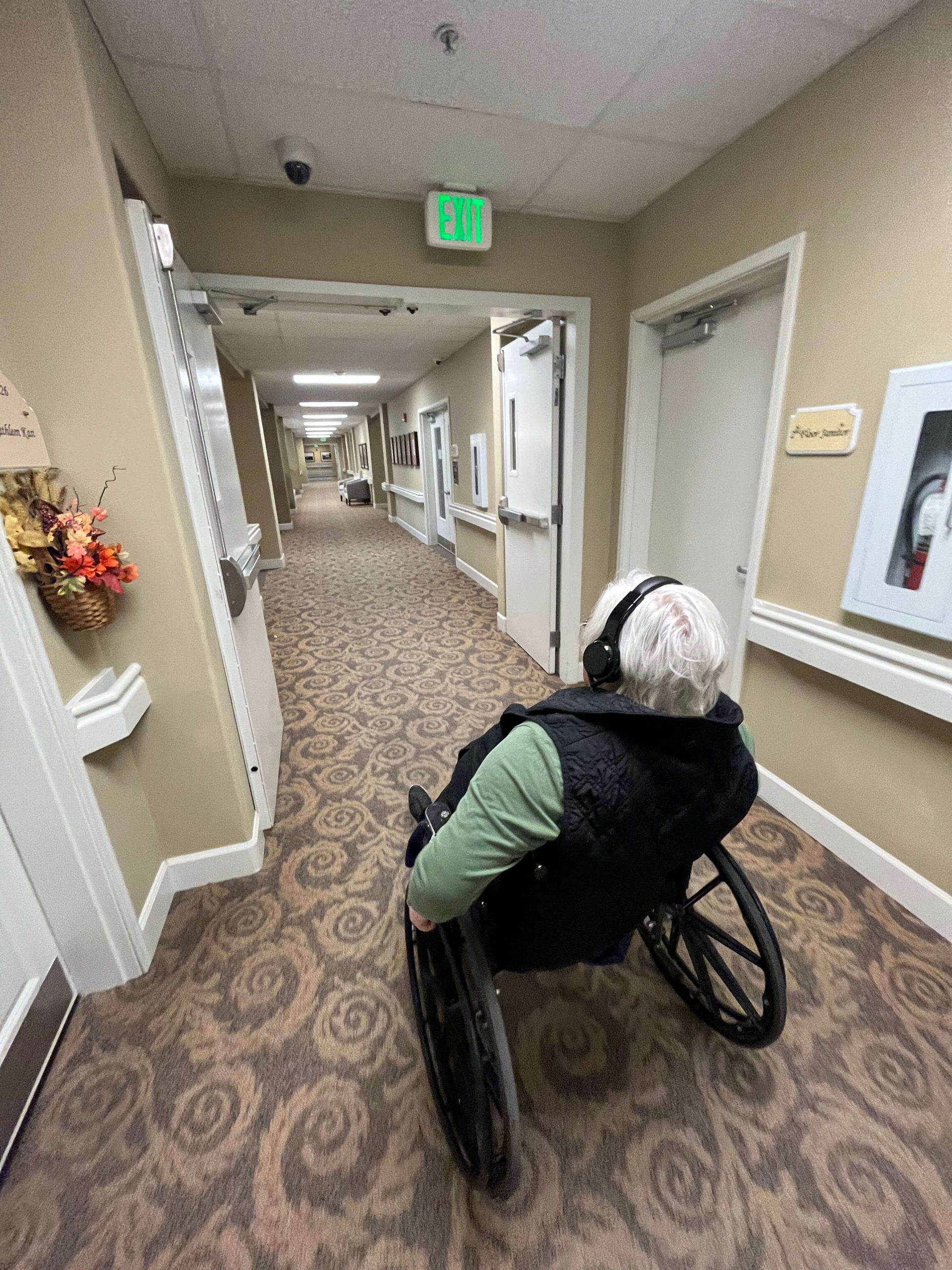
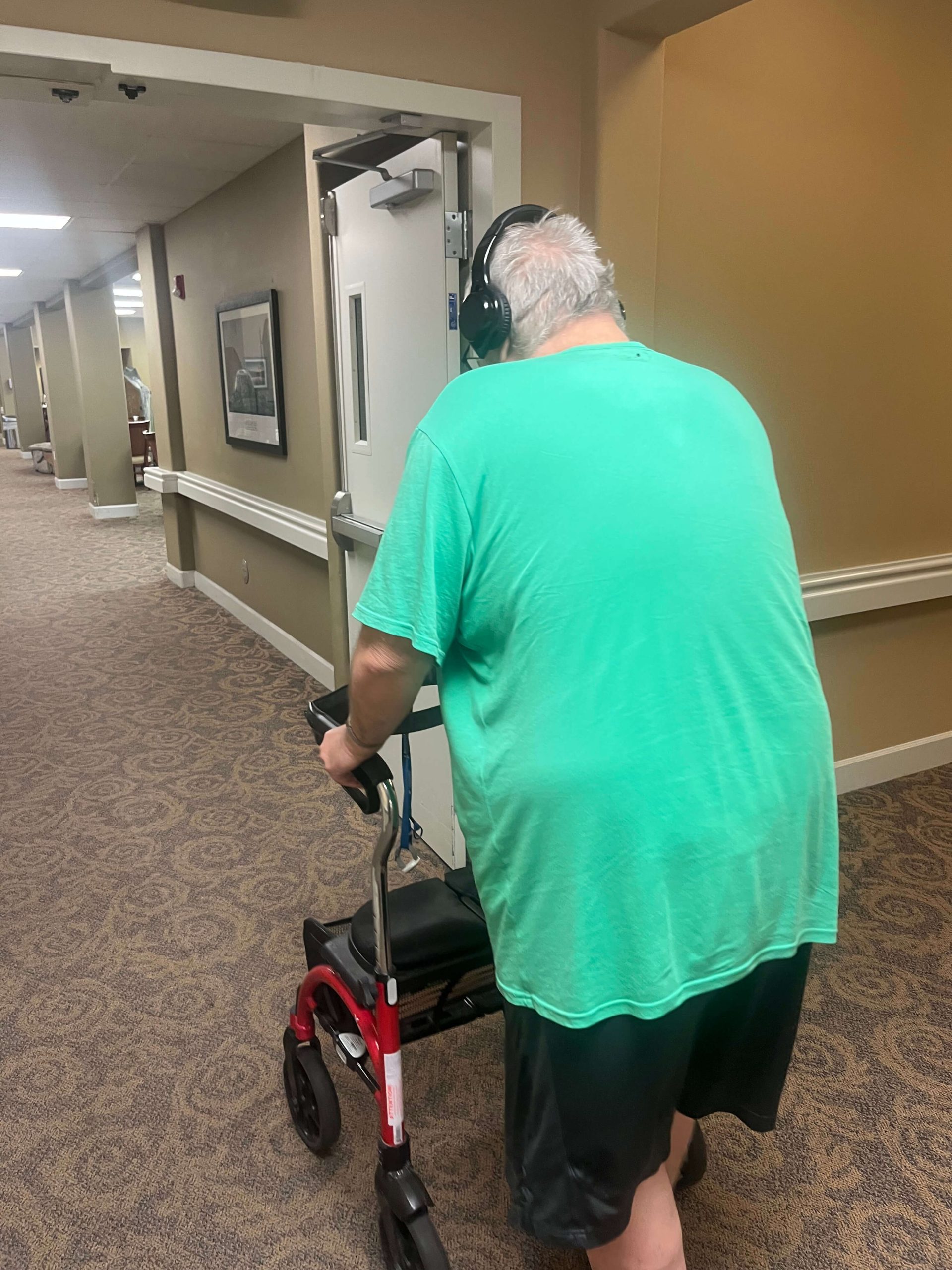
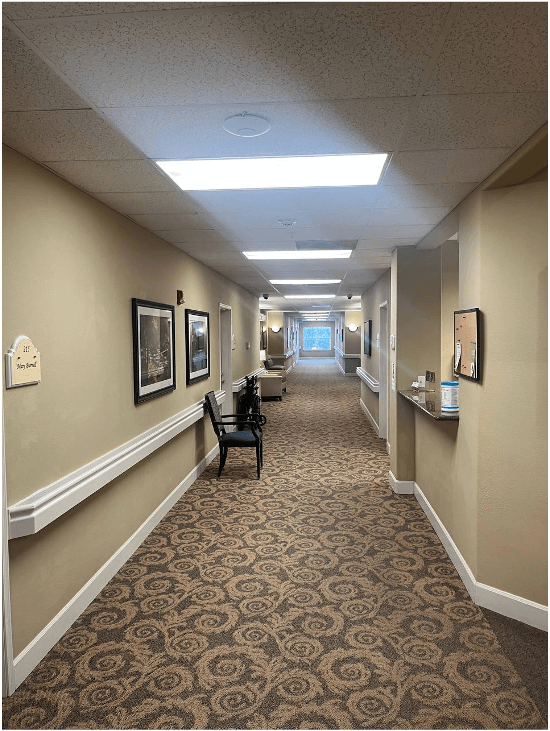
This project aims to explore the impact of environmental design on residents with AD, specifically focusing on wayfinding in nursing home settings. By objectively tracking eye movements, the study seeks to identify elements of the designed environment that attract eye fixation during navigation. Through a comprehensive approach, the research will develop guidance criteria for creating more navigable environments, reducing stress for residents with AD. The specific aims include developing an index describing visual environmental attributes, creating a database for guidance information, investigating correlations between wayfinding and anxiety levels, and examining differences in wayfinding behaviors between residents with and without AD.
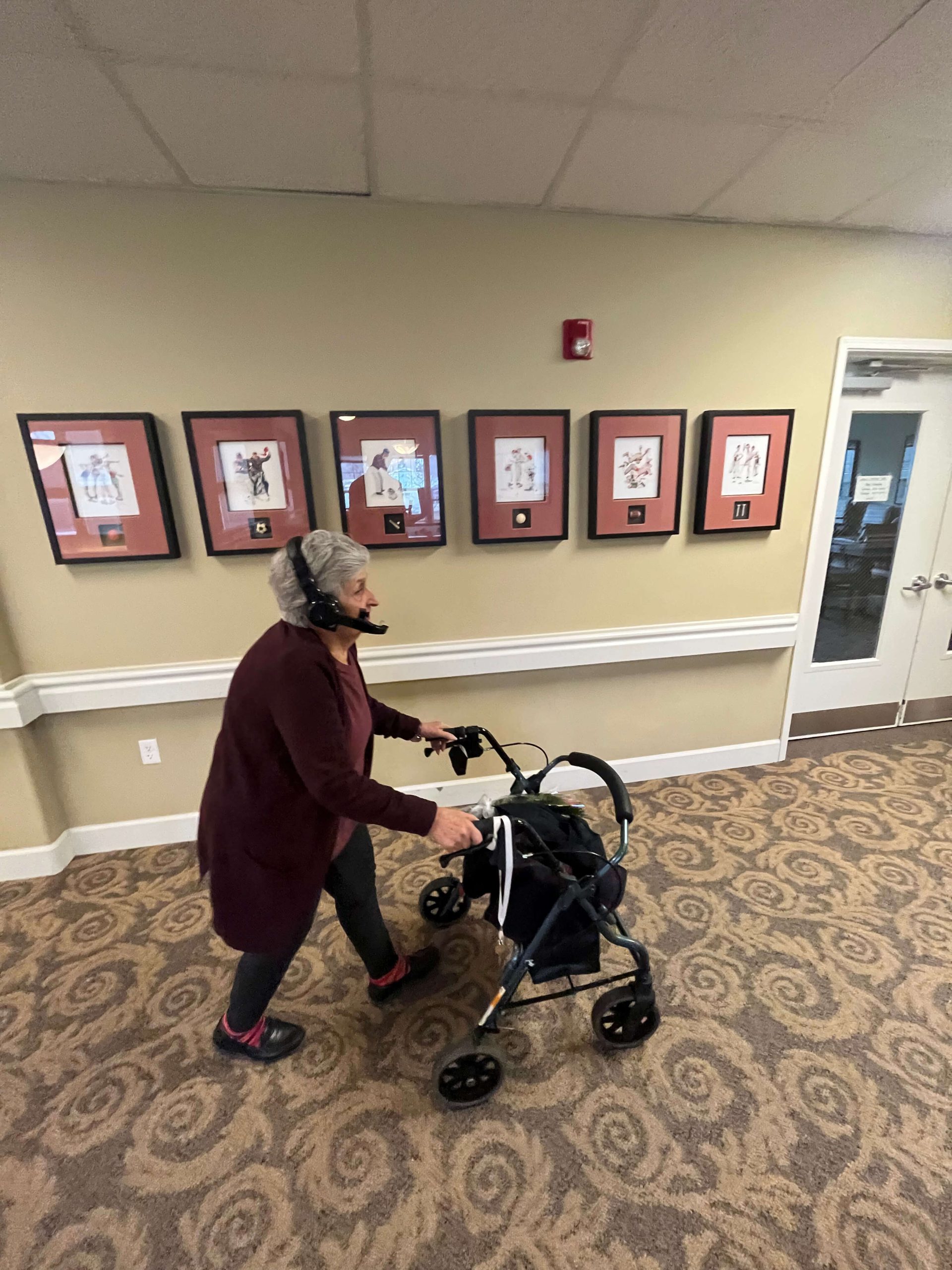
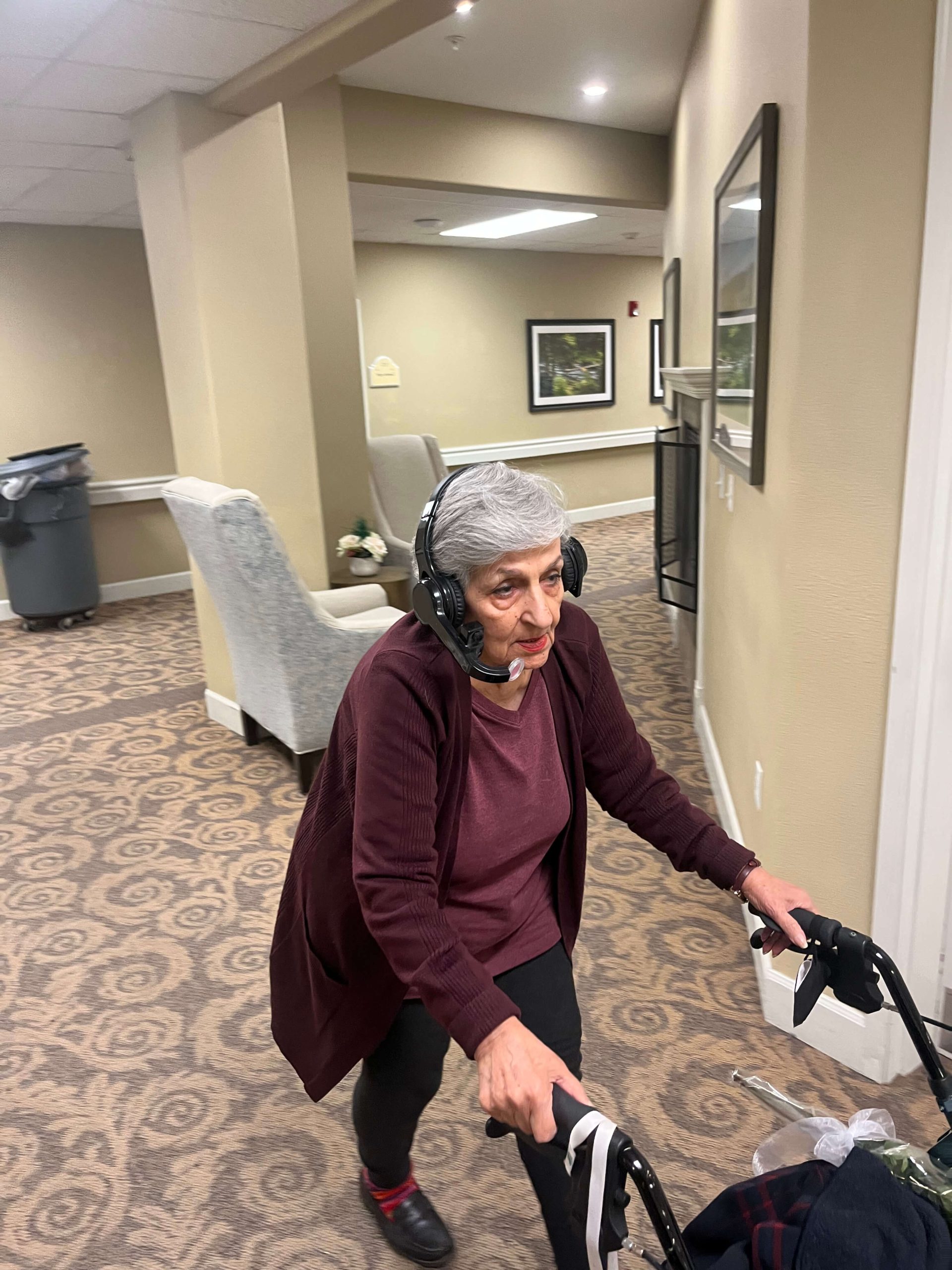
Eye tracking technology, provided by EyeGuide LLC, will be employed to objectively capture eye movements during navigation tasks. Twenty-four individuals with AD in care facilities will undergo evaluations, with their mental and physical conditions assessed. Mini Mental State Examination and Katz Index of Independence in Activities of Daily Living will be used for screening. Navigation tasks will be conducted, and eye movements will be tracked using EyeGuide®Mobile Tracker. Doppel wrist-worn sensors will measure anxiety levels. Data collected will include fixation time, environmental elements, navigation time, and behavioral maps.
his research will deepen our understanding of residents with AD navigating their environment and the impact of disorientation on anxiety levels. By identifying critical visual environmental factors during navigation, the findings will inform non-pharmacological interventions and contribute to the creation of therapeutic environments in memory care and senior living facilities. Ultimately, this project seeks to enhance the quality of life for those dealing with AD by improving wayfinding and reducing stress through evidence-based design interventions.