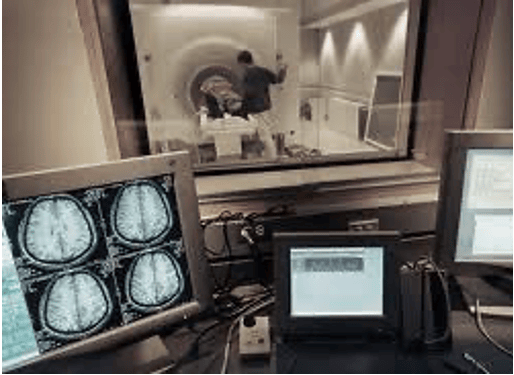
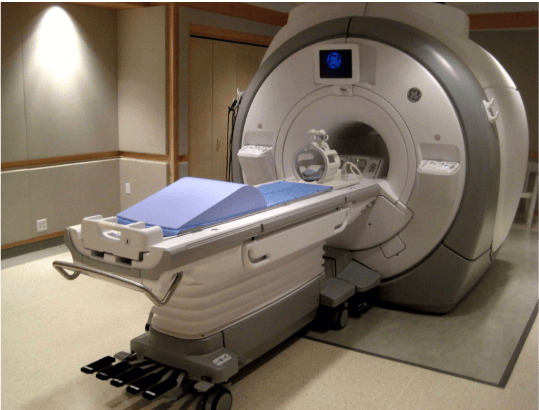
The objective of this study is to investigate distinct patterns of brain activation resulting from exposure to photographic compositions of the sky, representing nature stimuli, and compare them with responses to other positive, negative, and neutral images. Although the positive impact of nature images on health has been traditionally assessed using behavioral and physiological indicators, there exists a gap in understanding the underlying neural mechanisms explaining this positive influence. This research utilized a combination of behavioral responses and functional magnetic resonance imaging (fMRI) technology. Ten participants spanning five age groups were subjected to short (25-second) exposures to 32 images, with their brain activation monitored through the BOLD response. In a separate session, participants experienced extended exposures (12 minutes) to a sky composition and an image of a traditional ceiling. The findings indicated that activation patterns induced by sky compositions and positive images were notably similar compared to negative or neutral images. Sky compositions, however, triggered unique areas of activation, encompassing spatial cognition, the perception of expansive space, circadian rhythm, and motion perception. In the extended exposure scenario, sky compositions tended to activate regions associated with dreaming, while traditional ceiling images activated areas linked to face processing and potentially visual hallucinations. This study suggests that nature stimuli, particularly those combining vegetation and sky elements, may generate distinctive and beneficial effects not found in general positive stimuli. The activation of neural areas associated with spatial and cognitive processes, circadian rhythm, and motion perception highlights the unique contributions of nature stimuli to cognitive and emotional well-being.