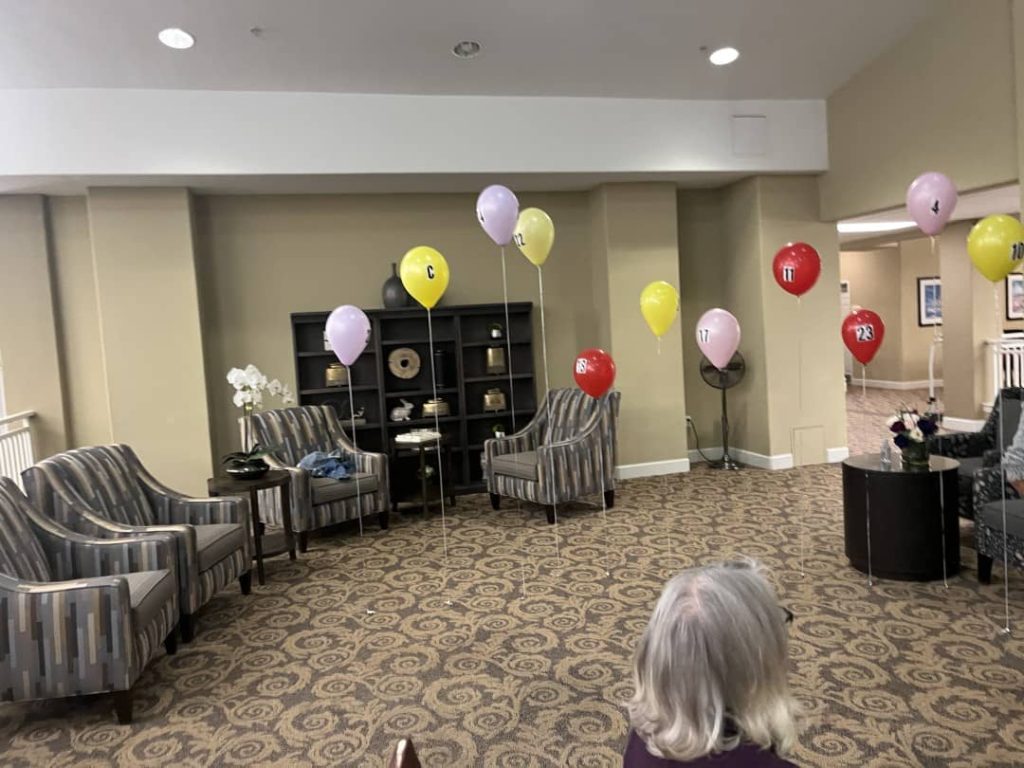
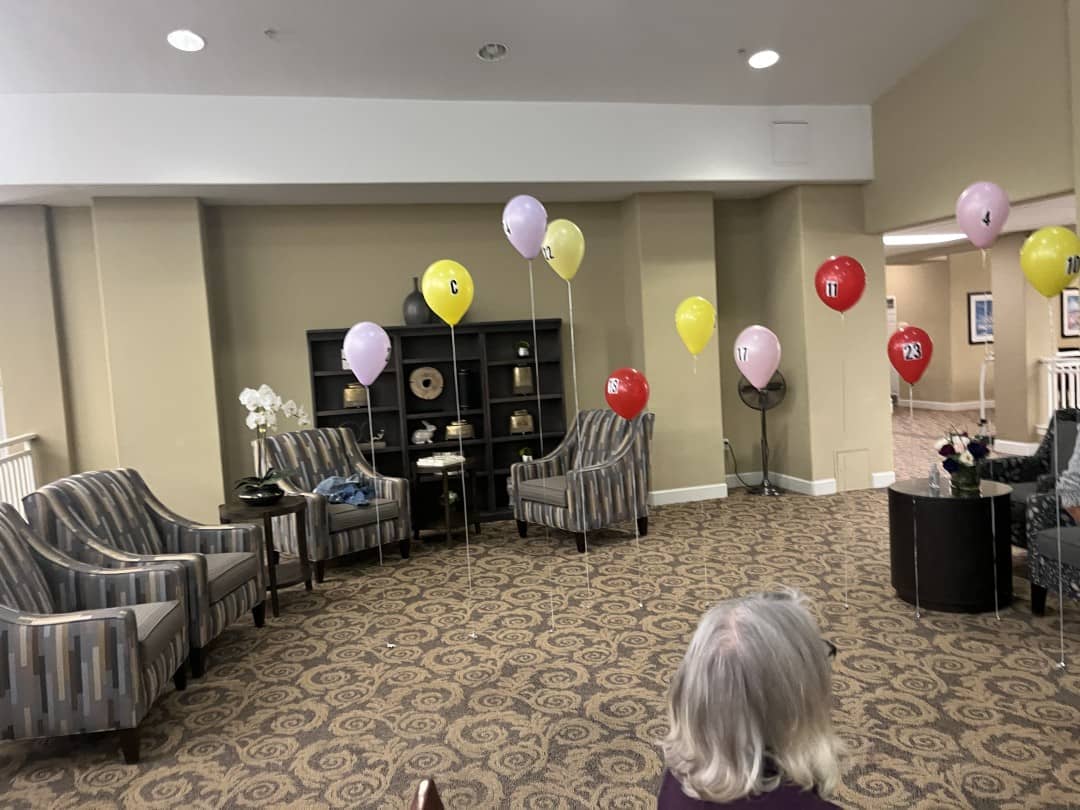
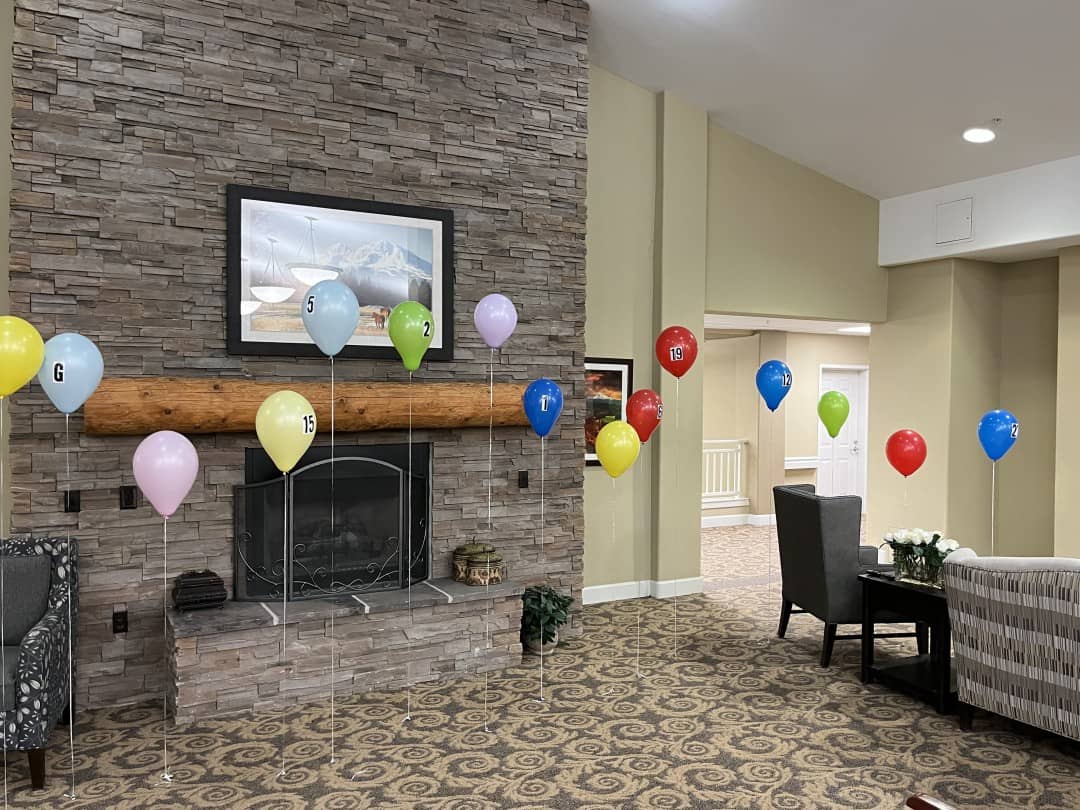
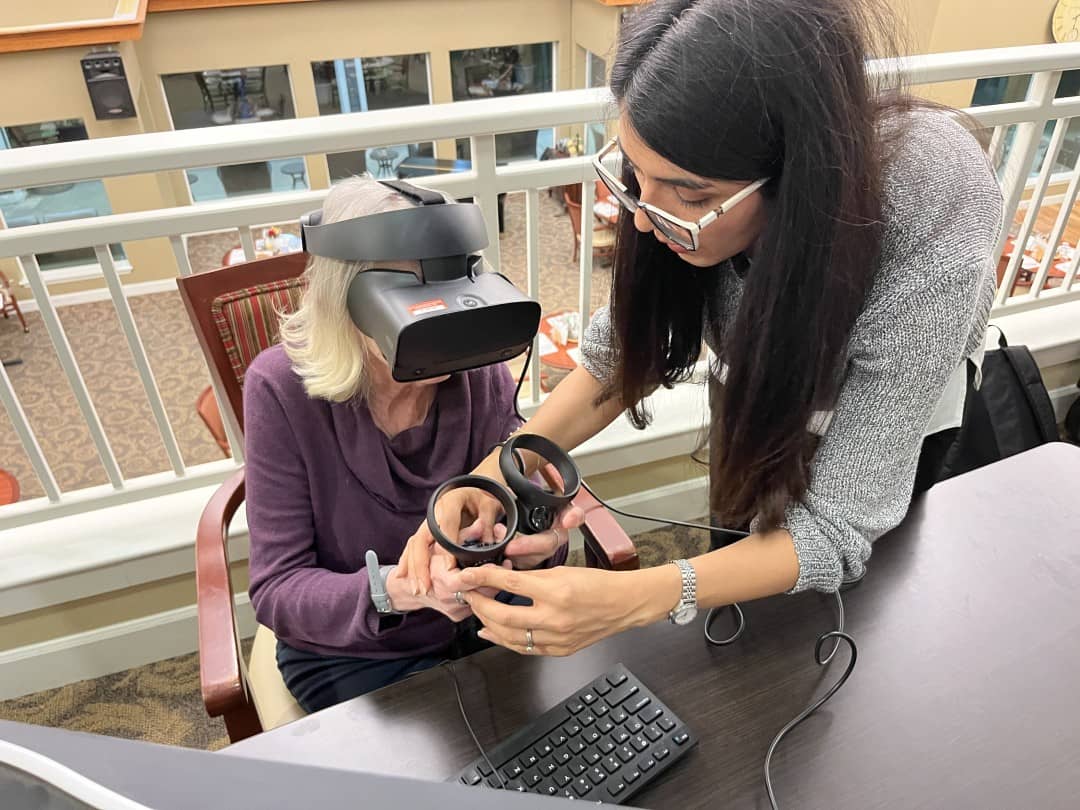
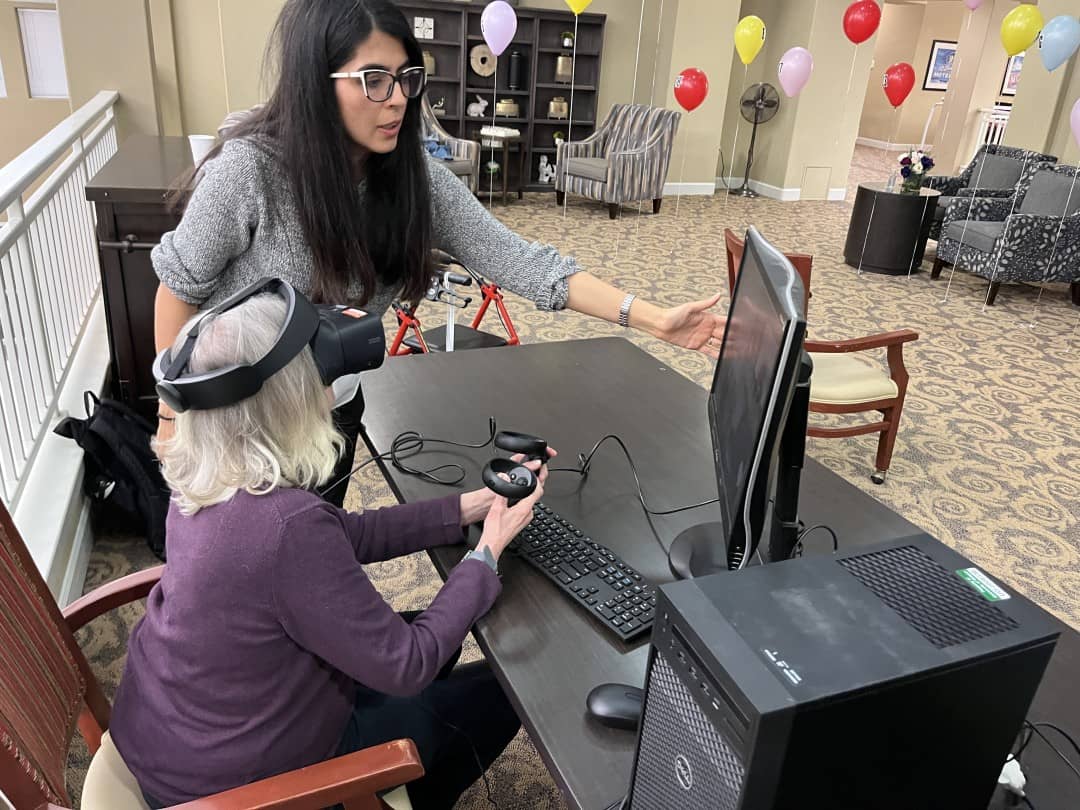
This research reports on the results of a within-subjects design conducted in a real space and Virtual Reality (VR) environment to investigate if VR can be a reasonable surrogate for real-world lighting environments. In recent decades the use of virtual reality (VR) head-mounted displays (HMDs) as an alternative media for visual settings has increased in indoor lighting studies. VR technology is a good representation of visual stimuli that can provide a comparable field of view to the real environment where subjects are immersed in an environment and can see and perceive the visual stimuli on the same scale as the original environment (Kort. et al, 2003; Field & Hole, 2002). Although previous studies investigating the subjective and objective visual responses and participants’ perception and interaction in VR have shown a high level of perceptual accuracy regarding appearance and higher-order perceptions, there is not enough evidence regarding the mood, behavior, and cognitive performance of participants in a VR environment. In addition, most of the previous studies investigating the impact of the VR environment on human responses have mainly focused on the younger population, while there is a critical need to assess the validity and accuracy of the VR environment in gerontology studies. This leaves a gap in our understanding of the behavioral and cognitive responses of older adult participants in VR HMDs lighting scenes in comparison to real lighting scenes. The questions to be answered here are: Is there a difference in subjective behavioral assessments of older adults between a real lighting environment and a virtual lighting environment?
Does the virtual lighting environment impact the cognitive performance of the aging population? If so, How might the virtual environment alter the cognitive performance of older adults?
To address this gap, this Chapter employed a within-subjects design where 32 assisted living facility residents were presented with similar lighting conditions: A real lighting environment and a virtual lighting environment according to the existing lighting condition of a living room in an assisted living facility in Springfield, OR. Multiple data types were collected and analyzed, including self-reported and behavioral data as participants were doing different cognitive tasks.