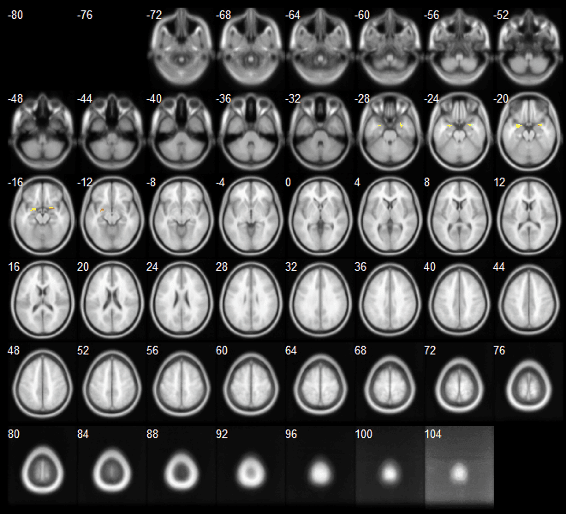
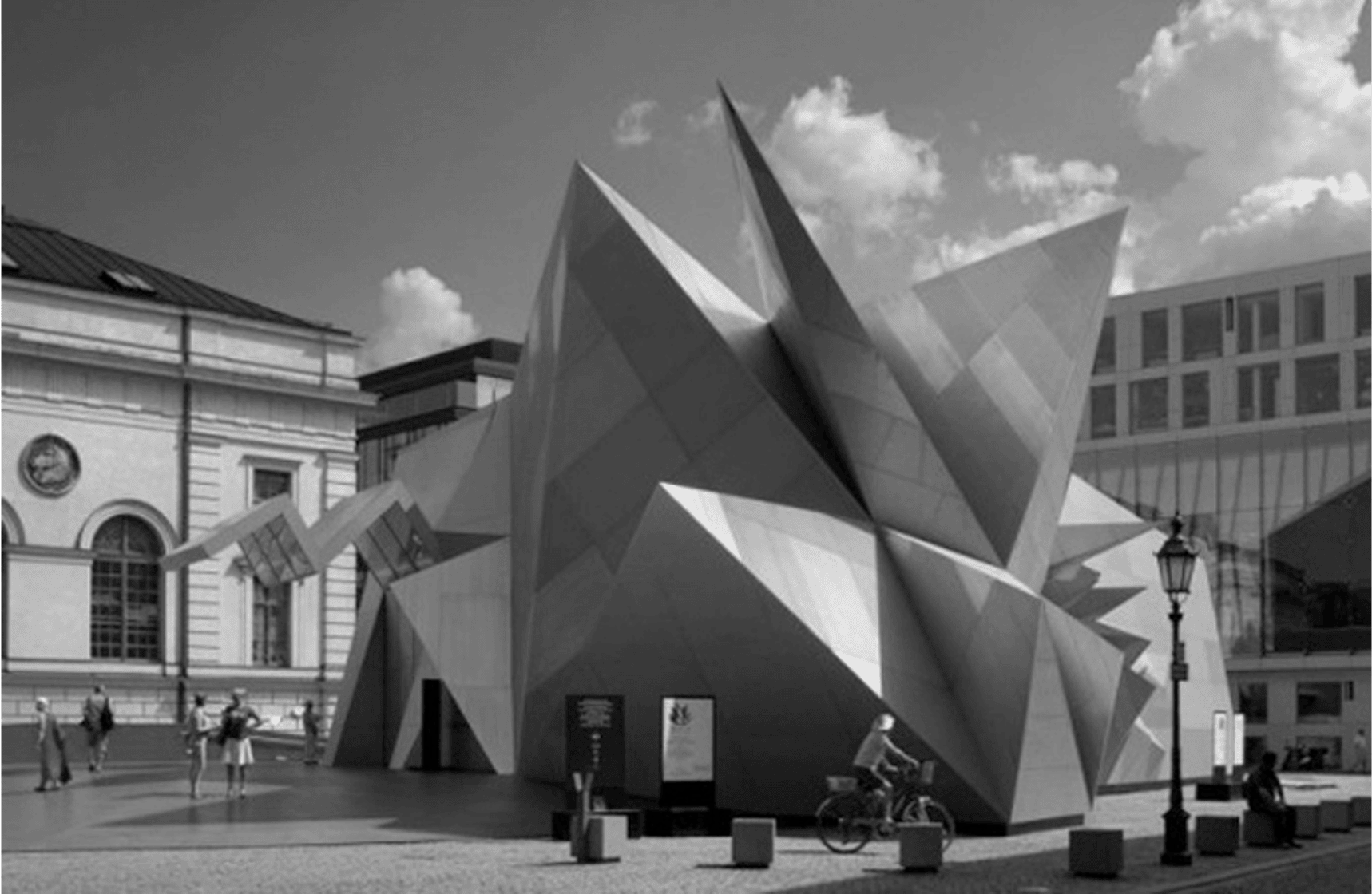
This research delves into the neural activation patterns observed in the adult brain in response to a fundamental aspect of designed environments—specifically, “contours.” Within the framework of neuro-architecture, the study aims to formulate precise hypotheses for the intersection of architecture and neuroscience. Contours, as a key environmental attribute governing form, play a crucial role in human reactions to visual stimuli. Consequently, design choices related to both exterior and interior built forms should be intricately linked to systematic associations with human emotional responses.
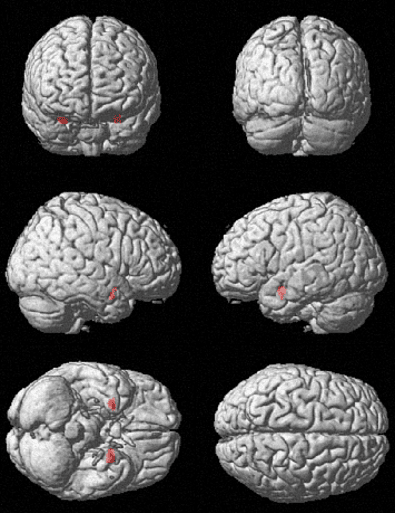
Drawing on prior studies in non-design contexts, the hypothesis posits that images characterized by sharp contours elicit a higher magnitude of activation in the amygdala—the brain region associated with fear response—compared to images with curved contours. However, the study anticipates variations in the degree of amygdala activation linked to sharp contours across different categories, including objects, interiors, exteriors, and landscapes.
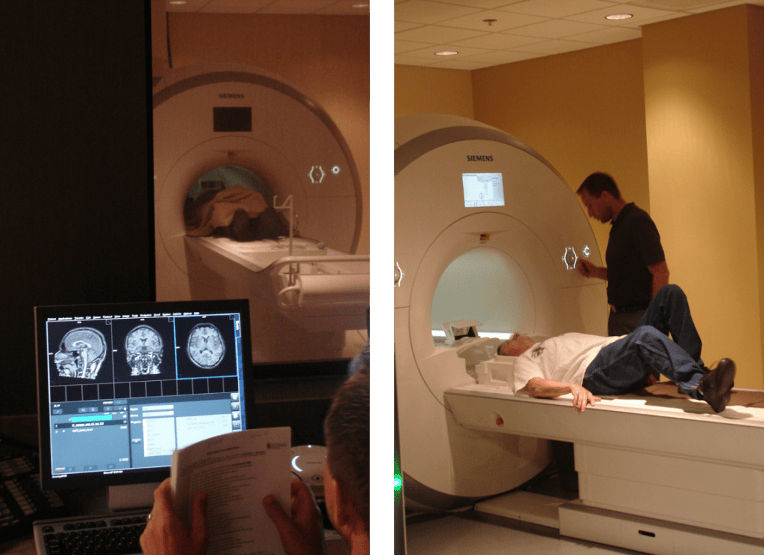
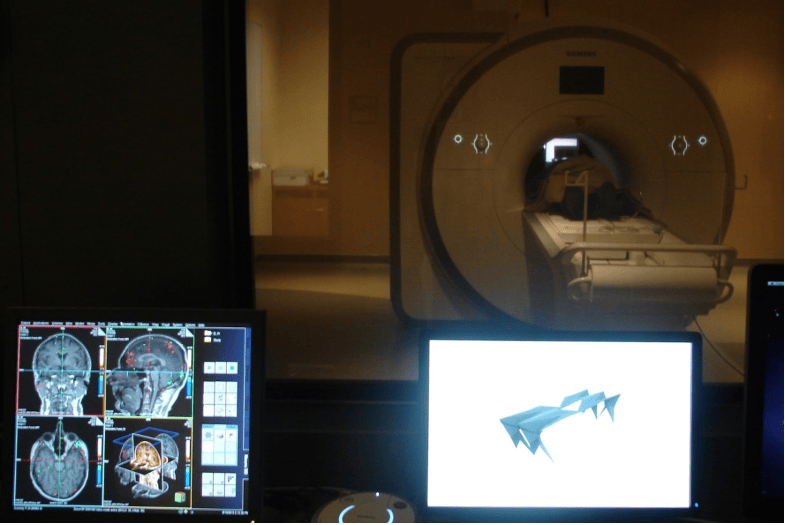
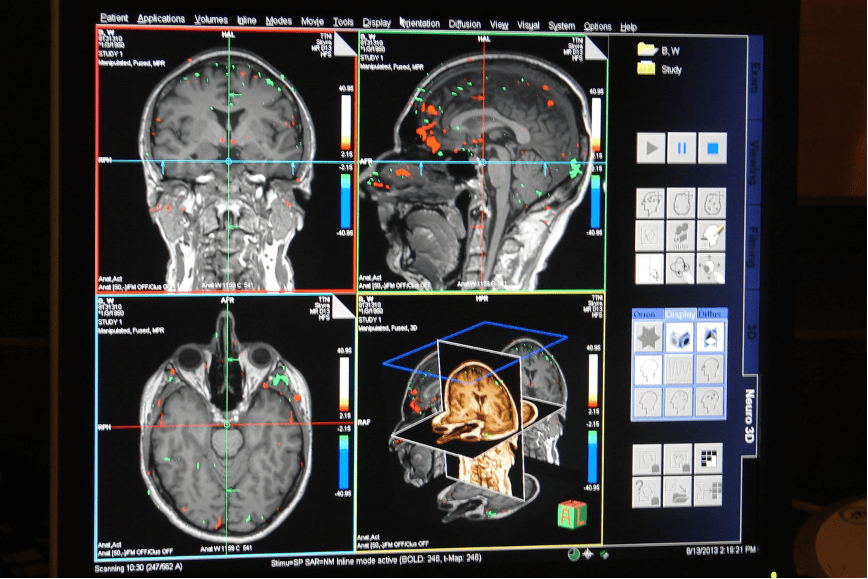
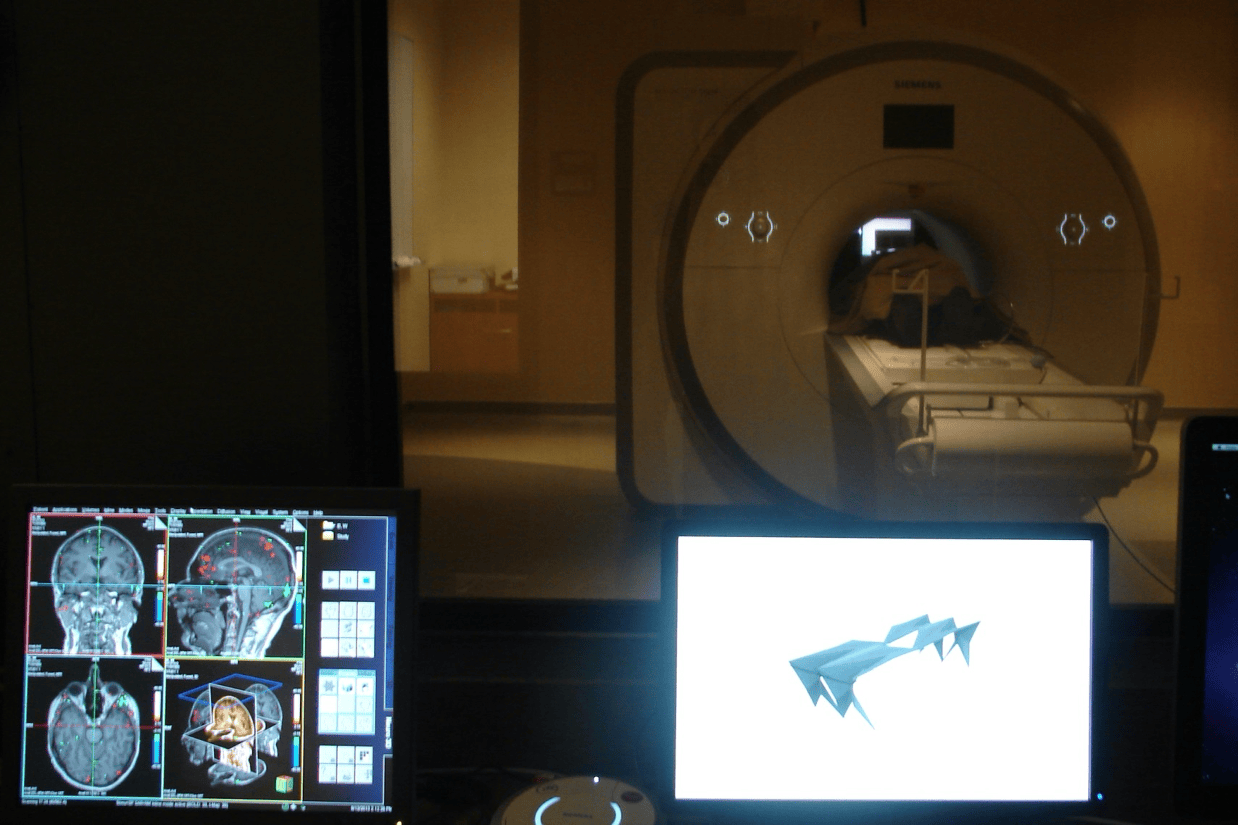
The research involved 36 participants residing in Texas, comprising 18 males and 18 females distributed across three age groups (20-29, 40-49, and 60-69). Each participant underwent both anatomical and functional scans while being exposed to a randomized sequence of images depicting healthcare settings (exterior, interior, landscape, objects, and control). To isolate the impact of contours on pre-cognitive responses, the images, presented in Black and White, Sketch, High Spatial Frequency (HSF), and Low Spatial Frequency (LSF) filters, were displayed for a brief duration of 2 seconds in a random order.
The outcomes of this investigation contribute valuable insights into the understanding of how the shapes and contours within formal environments influence individuals’ psychological, emotional, and behavioral responses.