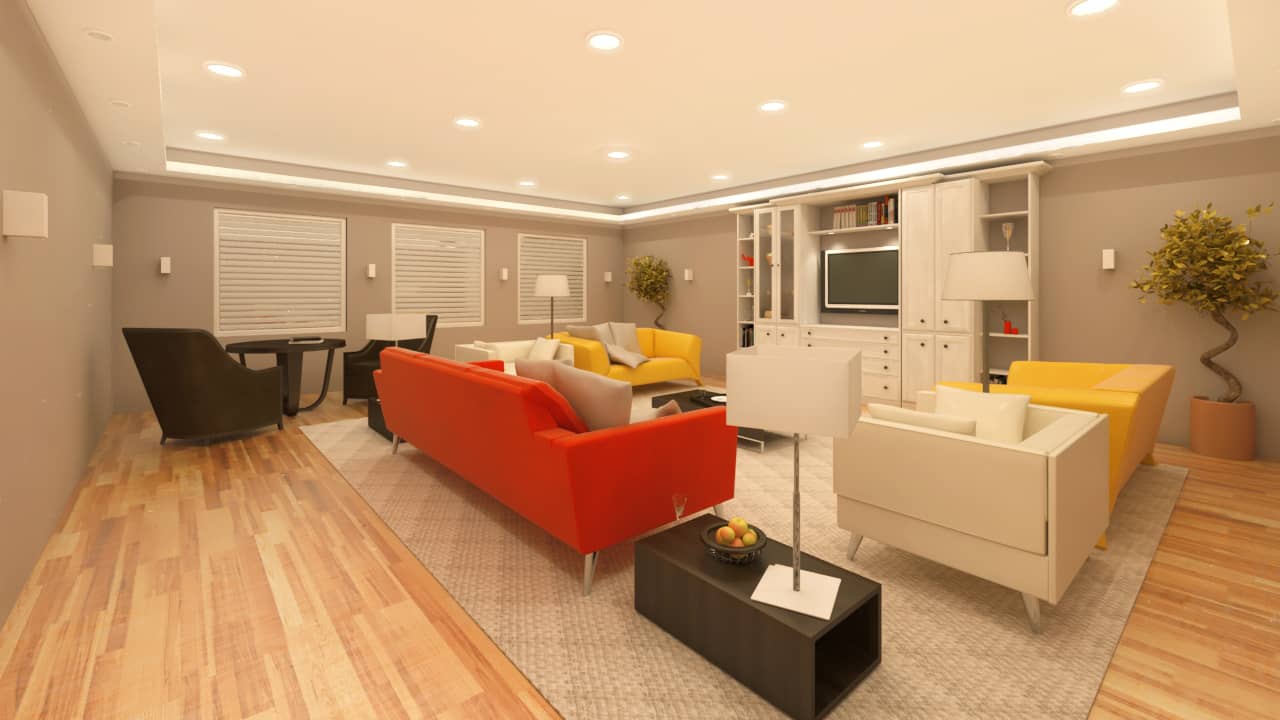
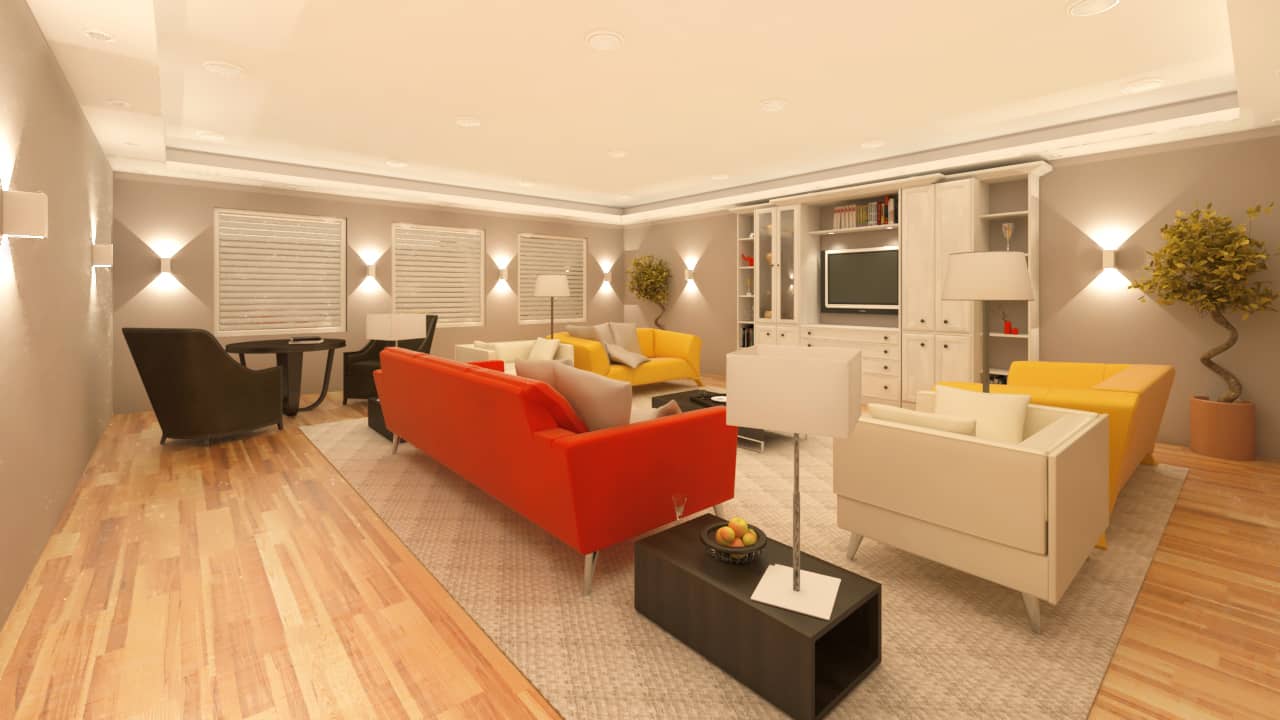
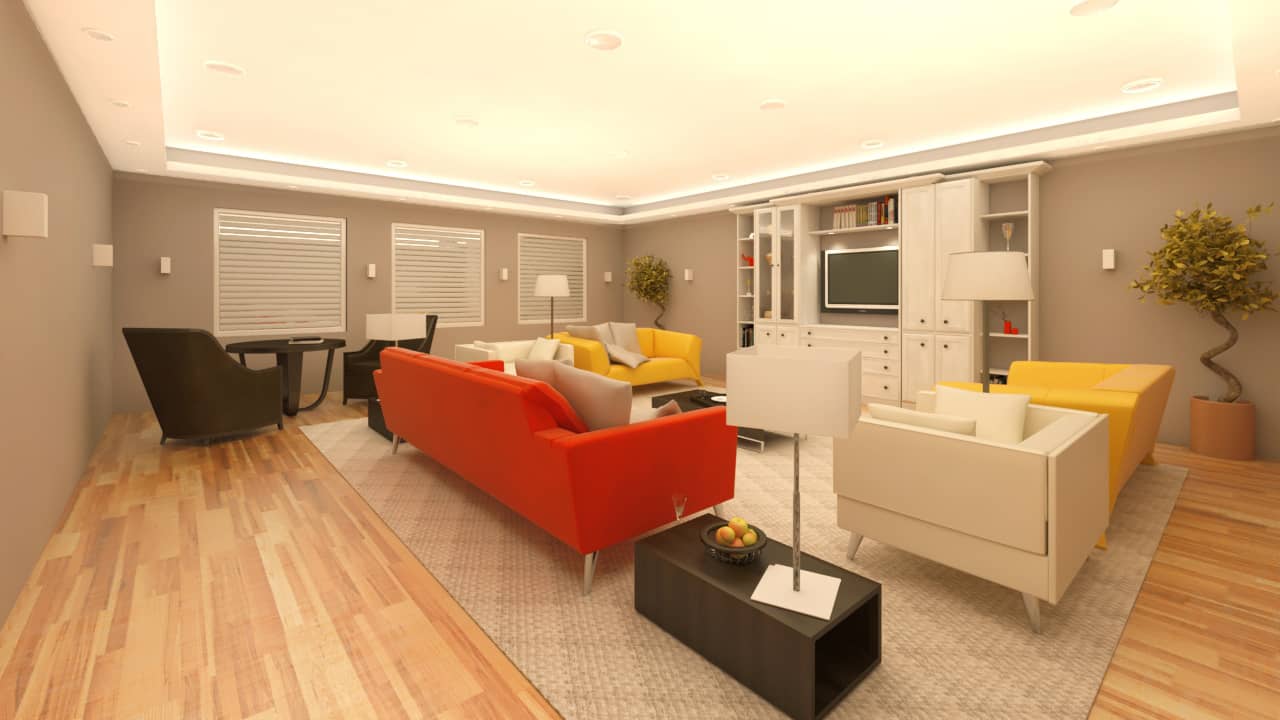
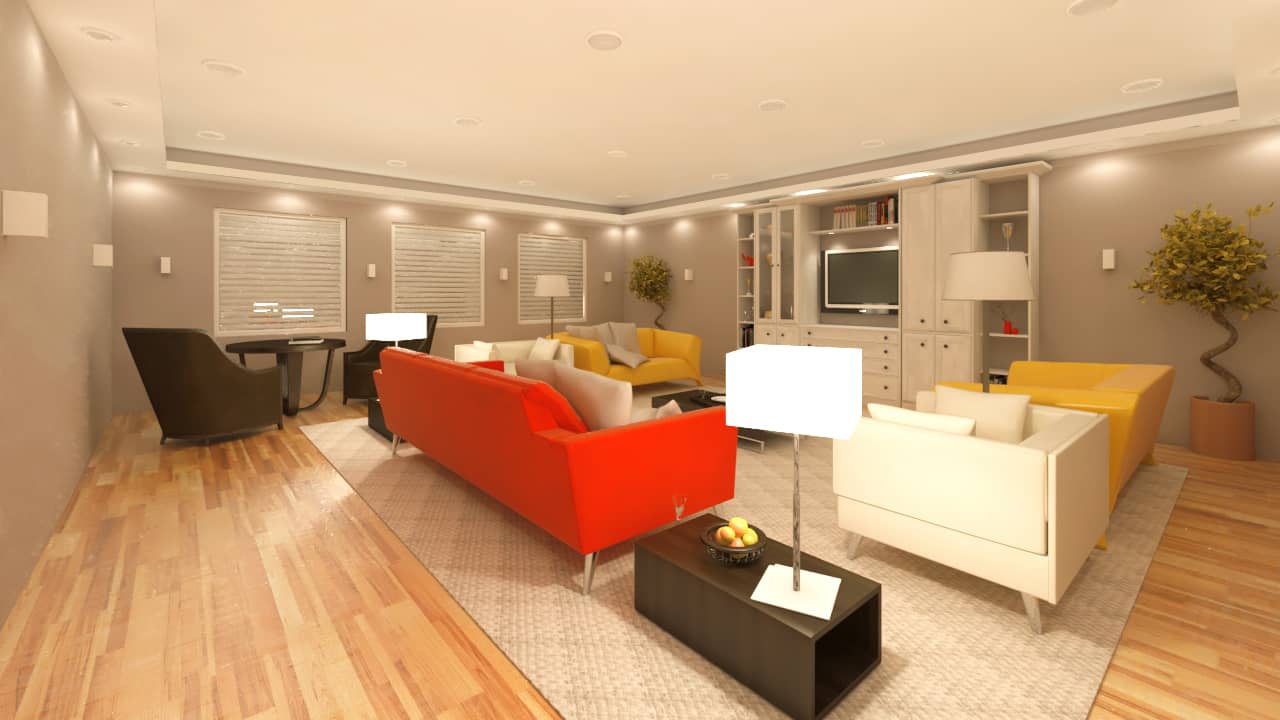
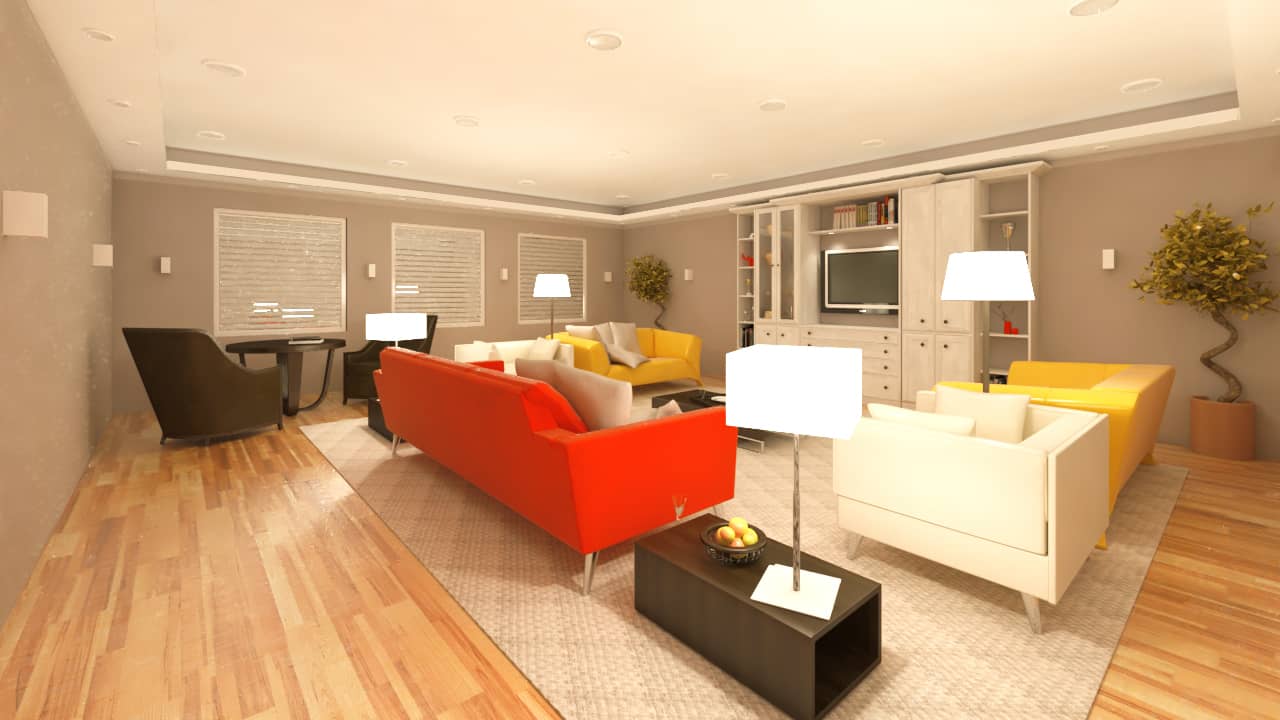
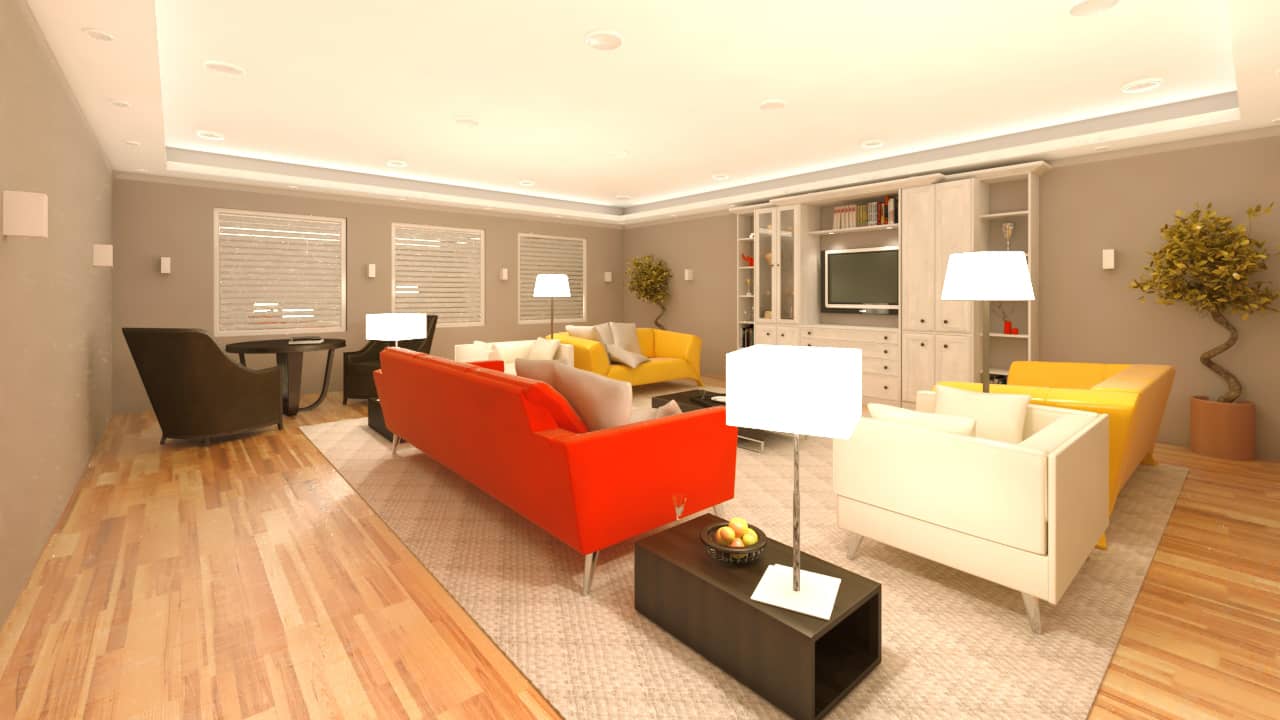
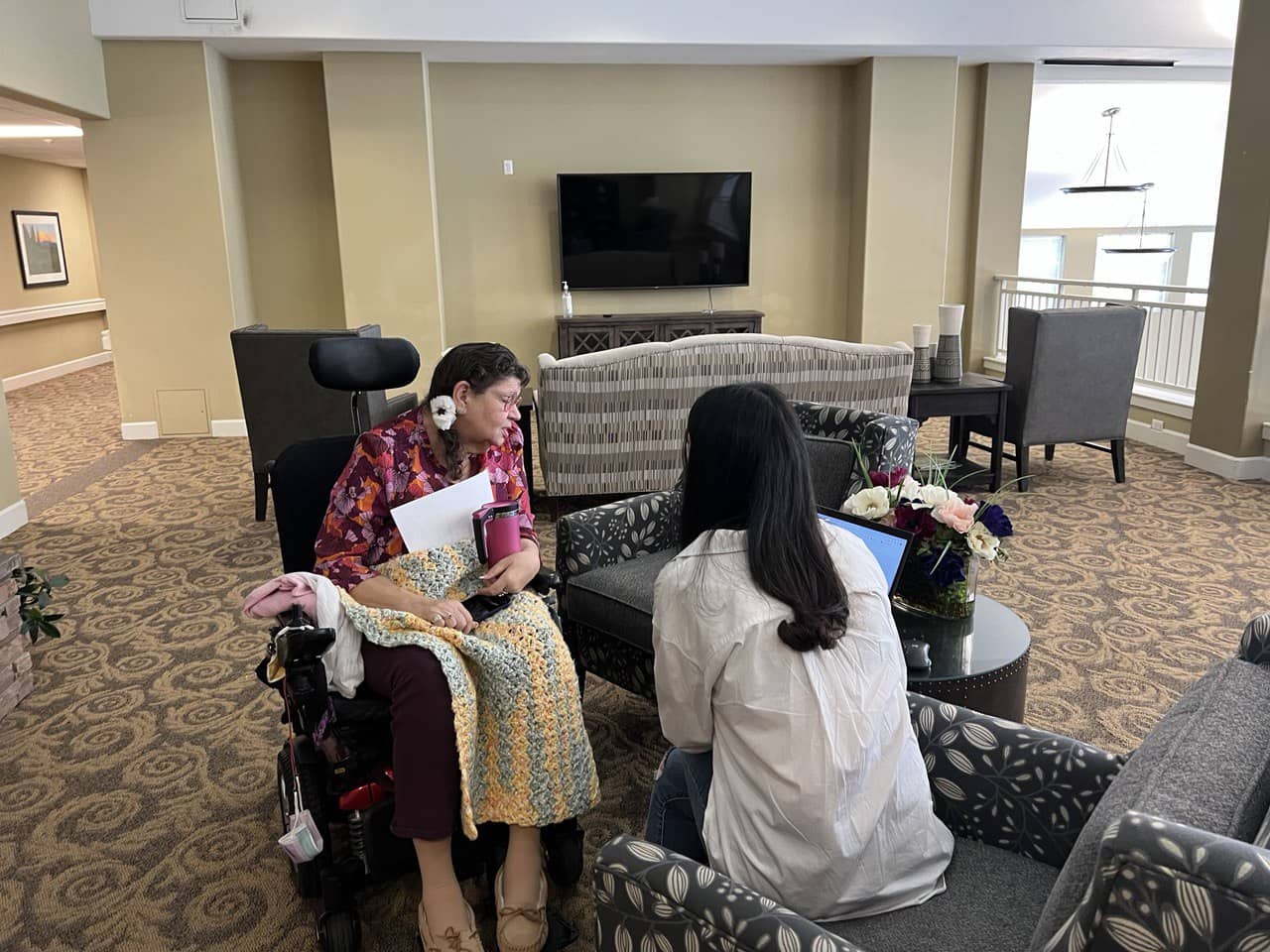
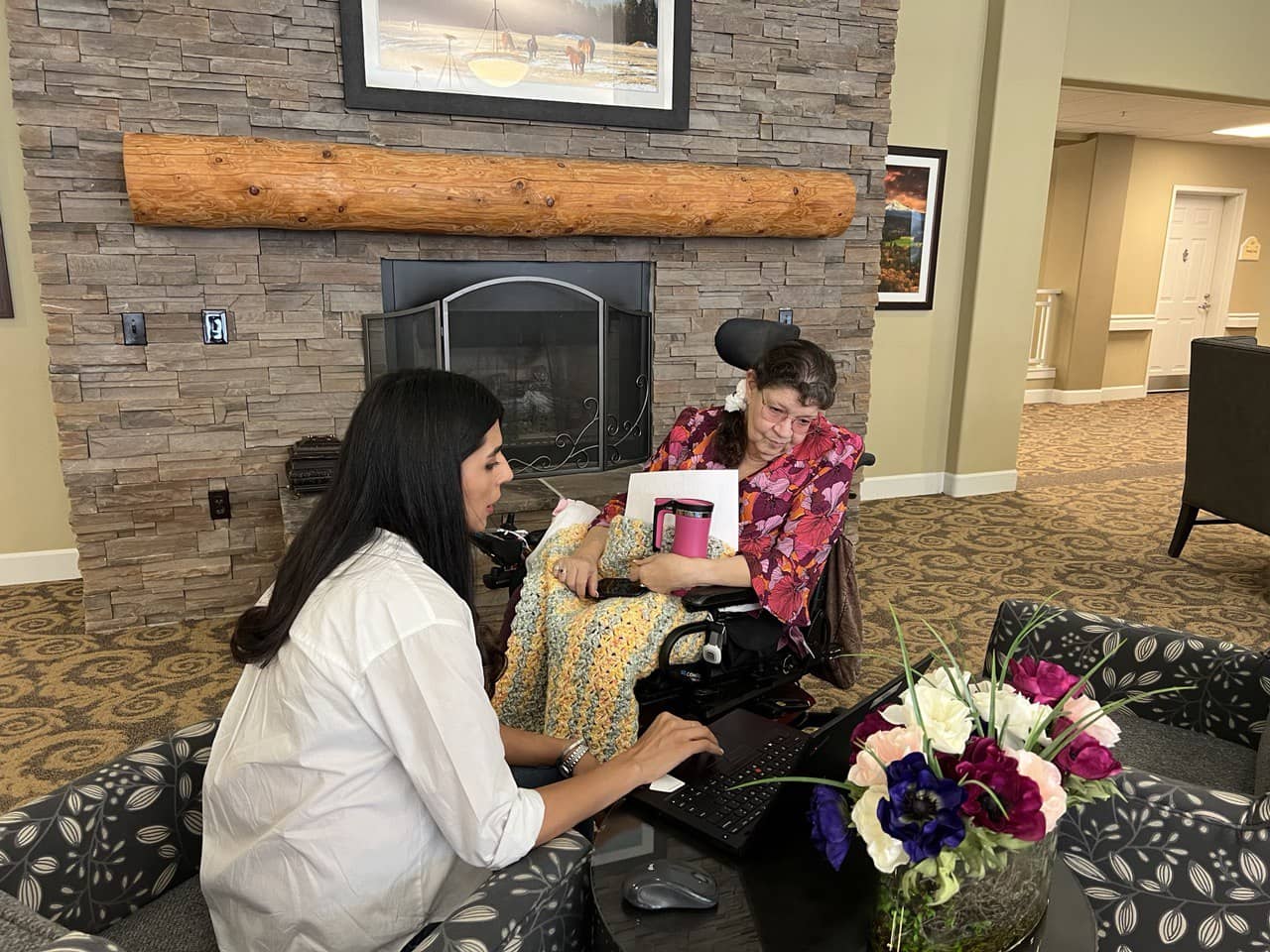
Previous studies show that light level variables and temporal patterns significantly impact human perception, mood, and preference, however, there are not sufficient studies that investigate the qualitative aspect of lighting design such as the spatial pattern of light on older adults’ mood, preference, and perception. The main goal of this study is to investigate the impact of different spatial patterns of light on the perception, mood, and, preference of older adults. The research question that is specifically addressed is, “Are there any consistent and shared patterns of subjective impressions among the aging population under exposure to the different spatial patterns of light in an environment?” This paper consists of two sections. The first section represents an earlier attempt to identify and construct a framework for spatial light patterns that can serve as a design model for examining the impact on older adults’ outcomes. In the second section, we conducted a preference experiment utilizing multiple sorting task techniques (Q-sort method) as well as forced-choice questions in a survey experiment. The findings of this study show that different spatial light patterns have a substantial impact on older adults’ perceptions and preferences related to the environment. The results demonstrate a clear preference among older adults for uniform lighting over non-uniform lighting, as well as a preference for indirect lighting compared to direct lighting. Notably, our study did not observe significant differences in visual preferences between peripheral and central light arrangements among older adults. We also found that non-uniform lighting tended to create a more relaxed impression, while uniform lighting increased the sense of stress perceived in the environment.